


 APPOINTMENT
 DOCTORS
 ABOUT US
 CONTACT US

Tracking International Matches and Sports Fixtures Through nohu90hu.com
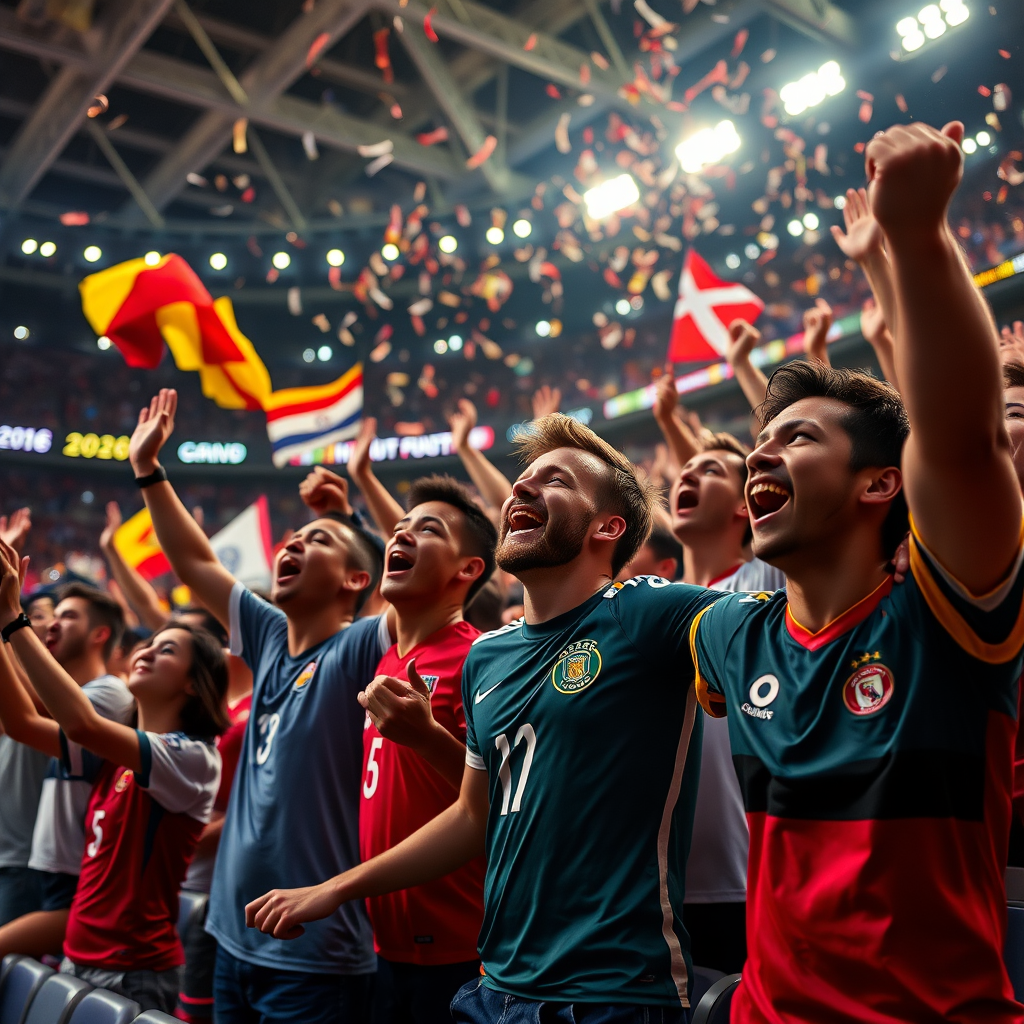
A midfielder steps onto the pitch in the final minute of a World Cup qualifier, knowing a goal will lock her national team into the knockout bracket. Fans across three continents refresh their browsers, searching for a single destination that delivers live scores, upcoming lineups, and post-match breakdowns in one place. For many users, platforms that aggregate fixtures and match coverage have become the go-to resource when the schedule is dense and the stakes are high.
Websites like nohu position themselves as hubs where supporters can monitor international fixtures, track results in real time, and review how each outcome reshapes the competitive landscape. This article examines how such platforms approach fixture coverage, what a typical results-and-standings workflow looks like, and what readers should verify before treating any source as authoritative.
How International Fixture Schedules Are Organized
International match calendars follow a patchwork of confederation windows, club commitments, and qualifying cycles. FIFA, UEFA, CONMEBOL, CAF, AFC, CONCACAF, and OFC each publish windows during which national teams are permitted to play, and those windows shift from year to year. A platform claiming to cover sports fixtures must navigate these overlapping schedules and present them in a way that lets users filter by date, competition, and team.
When evaluating a site’s fixture coverage, consider the following criteria:
- Does the platform list matches for multiple confederations, or does it focus on a single region?
- Are qualifying rounds for major tournaments—World Cup, continental championships—included alongside friendly internationals?
- Can users filter by date range, competition tier, or specific national team?
- Is there a mechanism to receive notifications or reminders ahead of kickoff?
These questions matter because a fixture page cluttered with irrelevant matches quickly becomes unusable. A well-structured schedule section should let a user jump from a UEFA Nations League fixture on a Tuesday to an AFC Asian Cup qualifier on Thursday without losing context.
 Hình minh hoạ: nohu
Latest Results and Their Immediate Impact
Results pages are where the analytical value of a coverage platform becomes visible. After each international window, standings shift, qualification scenarios tighten, and unexpected upsets rewrite the narrative of a campaign. A site that reports results promptly and pairs them with brief contextual notes gives readers a clearer picture of where things stand.
In a typical recent window, several patterns tend to emerge across confederations:
- Top seeds consolidate positions. Established powers usually win their group-stage fixtures, but the margin of victory and goal difference can matter for seeding in future draws.
- Mid-table teams battle for playoff spots. A single result—a draw in an away fixture, an own goal, a late penalty—can move a team from outside the qualifying places to inside them.
- Underdogs generate headlines. A surprise victory by a lower-ranked side against a continental favorite reshapes group tables and can eliminate previously strong contenders.
When reviewing these outcomes, it is important to cross-reference the reported scores with official confederation sources. Unofficial aggregation can occasionally carry data-entry errors, especially for lesser-known competitions or youth tournaments. Treating every score as provisional until confirmed by the organizing body is a prudent habit.
Current Standings and the Competitive Picture
Standings tables translate match results into a visual hierarchy. A single table can reveal which teams control their own qualifying destiny and which ones are hostage to other results. The most useful standings views go beyond a simple list of points and include games played, wins, draws, losses, goals for and against, and goal difference.
Below is an illustrative example of how a standings table might be structured for a hypothetical qualifying group. The figures are generic placeholders meant to demonstrate format; readers should consult the specific competition’s official source for real numbers.
| Pos | Team | P | W | D | L | GF | GA | GD | Pts |
|---|---|---|---|---|---|---|---|---|---|
| 1 | Team Alpha | 6 | 5 | 1 | 0 | 14 | 3 | +11 | 16 |
| 2 | Team Beta | 6 | 4 | 1 | 1 | 11 | 5 | +6 | 13 |
| 3 | Team Gamma | 6 | 2 | 2 | 2 | 7 | 8 | -1 | 8 |
| 4 | Team Delta | 6 | 1 | 1 | 4 | 5 | 12 | -7 | 4 |
| 5 | Team Epsilon | 6 | 0 | 1 | 5 | 2 | 11 | -9 | 1 |
In the table above, Team Alpha has already secured automatic qualification, while Team Beta and Team Gamma remain in a tight race for the second automatic spot and the playoff berth. Team Epsilon’s campaign is effectively over, but their final fixture could still affect seeding for other teams through goal-difference scenarios. This is the kind of nuance that a well-maintained standings section should surface.

Analysis: How Results Reshape the Road to Qualification
Each international match window produces a ripple effect. A win for a team sitting second in the table can leapfrog the first-placed side if that leader drops points elsewhere. Conversely, a surprise defeat for a top seed can open a gap that a chasing team exploits in subsequent rounds. Analysts tracking these movements need both the raw data and the narrative context—injuries to key players, tactical changes under a new coach, or a congested domestic schedule that leaves national squads depleted.
When reviewing a platform’s analytical content, look for pieces that connect the dots between matches rather than simply listing scores. A brief note explaining why a particular result matters—for instance, that a two-goal victory improves a team’s goal difference enough to survive a potential tiebreaker—adds genuine value beyond what a raw table provides.
Some coverage platforms also incorporate head-to-head records, recent form streaks, and home-and-away splits. These supplementary metrics help readers understand not just where teams stand, but why they stand there. A team that has won all its home qualifiers but lost every away fixture tells a different story than one with a balanced record, even if both sit on the same number of points.

Staying Current with Updates and Notifications
International football moves fast. A qualifying group that looks settled on Monday can look entirely different by Friday after a midweek set of results. Users who want to keep pace need a reliable method to receive updates without constantly refreshing a page.
Practical steps to stay informed include:
- Bookmark the fixture and results sections of the platform you trust most, and check them after each match window closes.
- Cross-check major results with official confederation websites or reputable sports agencies to catch any corrections or delayed reports.
- Follow the platform’s social channels or notification features if available, as these often push breaking-score updates faster than a static page.
- Review post-match analysis within 24 to 48 hours of the final whistle, when initial reactions give way to more considered commentary.
For users who also engage with the broader entertainment and betting ecosystem sometimes associated with such platforms, the NỔ HŨ section may offer additional content and updates. Readers should approach any promotional or bonus-related material with the same critical eye they apply to fixture data—checking terms, understanding risks, and never committing funds they cannot afford to lose.
Risks and Limitations to Keep in Mind
No single platform can guarantee perfect accuracy across every competition in the world. Data-entry errors, delayed updates from smaller confederations, and the sheer volume of matches played each week create inherent blind spots. Users should treat any third-party source as a convenience layer rather than an official record.
Specific risks to remember include:
- Data latency. Results from remote or under-resourced football associations may appear hours or even a full day after the final whistle.
- Unofficial odds or betting integrations. If a site links fixture coverage to gambling services, the editorial content and promotional content may serve different interests. Separate the two mentally.
- Changing competition formats. Confederation qualifying structures are periodically revised. A platform that has not updated its format documentation may present standings in a way that no longer reflects the actual qualification pathway.
- Gambling exposure. Platforms that blend sports data with gaming or betting content carry the same risks as any gambling-adjacent service. Set strict time and money limits, never chase losses, and treat any odds or predictions as entertainment rather than financial advice.
A useful habit is to maintain a secondary source—whether an official confederation page, a major sports news outlet, or a dedicated statistics database—against which you can verify critical results and standings. When two independent sources agree, confidence in the data rises considerably.
Frequently Asked Questions
- How often are fixture schedules updated on platforms like nohu90hu.com?
Update frequency depends on how quickly the platform integrates data from confederation feeds. For major tournaments and well-covered leagues, updates may appear within hours of an official announcement. For smaller competitions, delays of several days are possible. Users should treat schedule listings as provisional until the organizing body confirms the final date and venue.
- Can I trust the standings tables on aggregation sites without checking official sources?
Aggregation sites are useful for quick reference, but they can contain transcription errors, especially after rapid-fire results windows. For qualification scenarios where a single point determines a team’s fate, always verify the standings against the official confederation website or the governing body’s published table.
- Does the platform cover both men’s and women’s international fixtures?
Coverage scope varies. Some platforms prioritize men’s senior international football, while others have expanded to include women’s competitions, youth tournaments, and futsal. Check the site’s navigation and category structure to determine which competitions are included. The depth of coverage for women’s football, in particular, has grown but remains uneven across aggregation platforms.
- What should I do if I notice a discrepancy between a fixture site and an official result?
Treat the official source as authoritative. If the discrepancy involves a score that affects a betting outcome or a personal record, report the error to the platform and document the official result with a screenshot or link. Most reputable aggregation sites have correction mechanisms, but resolution times vary.
- Are there risks associated with using platforms that combine sports data and gambling content?
Yes. Platforms that blend fixture coverage with promotional gaming content may use the sports data to encourage participation in betting or other gambling activities. Users should be aware that odds are set in the operator’s favor over time, that losses are a normal part of any gambling activity, and that no result-tracking tool can guarantee a profitable outcome. Set deposit limits, time limits, and never gamble with money earmarked for essential expenses.
International football’s qualifying cycles demand constant attention, and the platforms that serve as intermediaries between official data and the fan play an important role in making that information accessible. By approaching these tools with a critical eye—verifying key results, understanding the limitations of automated data feeds, and keeping gambling risks in clear view—readers can extract genuine value from fixture and standings coverage without mistaking convenience for infallibility.