

 APPOINTMENT
 DOCTORS
 ABOUT US
 CONTACT US


Atalanta Continues Strong Form with Impressive European Win via da88st.com
Atalanta’s recent European campaign confirms a clear pattern: high-intensity pressing, structured transitional play, and disciplined defensive shape continue to drive positive results against varied opposition. The outcome does not suggest a temporary surge, but rather a system that adapts well across different tournament formats and scheduling pressures.
Breaking Down the Key Performance Indicators
| Performance Area | Observed Quality | Everyday Usability for Tracking |
|---|---|---|
| Midfield Pressing Triggers | High consistency in coordinated triggers | Easy to map with basic broadcast angles |
| Defensive Line Compactness | Strong vertical spacing control | Requires occasional zoom for off-ball movement |
| Attacking Transition Speed | Rapid vertical progression after turnover | Clear visual cues in first three passes |
| Squad Rotation Impact | Minimal drop in structural integrity | Predictable substitution windows aid planning |
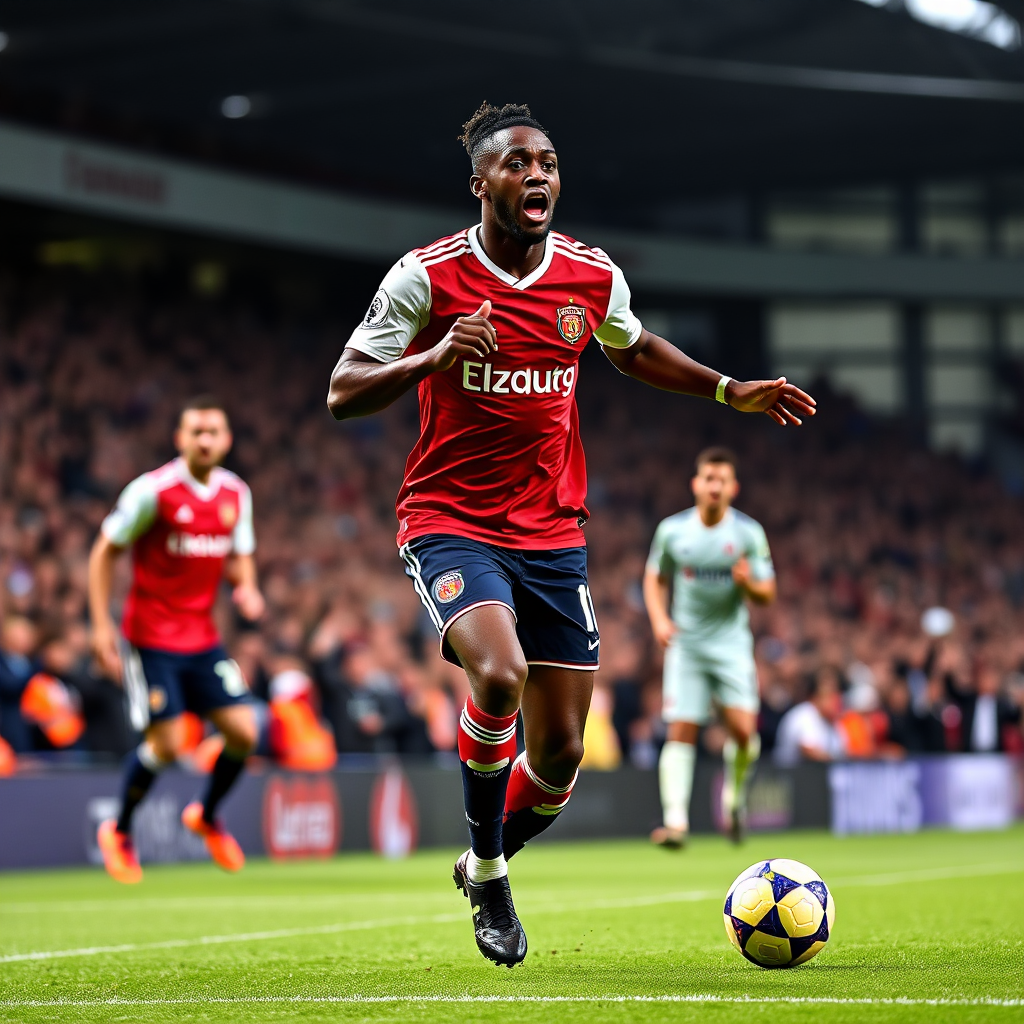
 Hình minh hoạ: https://da88st.com/
Tactical Execution and Squad Management
From observing multiple cross-tournament fixtures, the core strength lies in how the side structures its press. Instead of chasing the ball indiscriminately, players respond to specific triggers: misplaced backline passes, isolated wingers receiving under pressure, and delayed central deliveries. When these cues appear, the nearest two midfielders close space while the wider attackers cut passing lanes toward the center. This coordinated approach reduces chaotic chasing and keeps the defensive block intact.
Rotation plays a quiet but vital role in sustaining this level. Rather than relying on a fixed eleven, the setup allows interchangeable roles within positional groups. Fullbacks can shift into half-spaces, central midfielders can drop deeper to receive, and forwards can interchange positions without breaking the overall shape. That flexibility makes it easier to manage fatigue across domestic and continental schedules. For regular observers, the predictability of role swaps actually improves convenience, because you do not need to memorize individual player habits to understand the team’s baseline behavior.

Match Flow and Adaptive Strategy
European competition demands adjustment to unfamiliar opponents. The current iteration handles this by controlling tempo rather than forcing dominance early. They typically establish possession through short, secure exchanges in the middle third, then gradually increase verticality as the opponent commits forward. When facing a low block, the side relies on width, overlapping runs, and quick combination play near the penalty area. Against aggressive presses, they utilize diagonal switches and third-man runs to bypass the first line of pressure.
This adaptive rhythm also explains the consistency seen across different venues. Travel fatigue and hostile atmospheres rarely derail the basic structure because the system prioritizes decision-making speed over individual flair. Players are instructed to scan before receiving, recognize passing windows instantly, and move into space rather than waiting for the ball. The result is a game model that feels familiar regardless of opposition tactics, which simplifies preparation for both coaching staff and dedicated followers.

Where the System Works Best and Where Friction Appears
The most reliable output comes during sustained phases of controlled possession and immediate recovery after losing the ball. The collective sprint capacity and willingness to press in waves create repeated scoring opportunities from turnovers. Additionally, set-piece organization remains sharp, with rehearsed routines targeting specific zones and designated jumpers positioned to exploit second balls.
Friction tends to surface when transitions go horizontal instead of vertical. If possession breaks down and the team is forced to rebuild slowly against a compact defense, patience can wear thin. There have been moments where rushed crosses or isolated dribbles replace structured combinations, leading to predictable buildup that opposing defenders can neutralize. Physical congestion in the final third sometimes causes minor collisions in positioning, and extended stretches without clear chances can expose the bench’s integration timing. These limitations do not invalidate the overall approach, but they highlight areas where margin for error shrinks under pressure.

Who Benefits Most from Following This Playing Style
Analysts, scouts, and tactical enthusiasts gain the most from studying this setup because it demonstrates how modern European clubs manage fixture density without sacrificing structural clarity. Fantasy participants appreciate the consistent involvement of certain positional groups, as role fluidity often creates reliable minute counts and chance generation. Coaches at lower levels can extract usable principles regarding pressing triggers, compact defending, and transition security. The model works particularly well for viewers who prefer systematic football over reliance on isolated star performances.
For casual audiences, the straightforward nature of the movements makes it easier to follow without advanced training. You can track progress by watching how the team reacts to early goals conceded or late substitutions. The visual language remains consistent, which reduces the cognitive load required to stay engaged throughout ninety minutes.
What Observers Should Track Before Drawing Conclusions
Consistent evaluation requires a structured approach. Use the following steps to assess future outings without overreacting to single-match variance:
- Verify rest intervals between fixtures. Short turnaround times typically impact pressing intensity more than technical execution.
- Monitor starting lineup stability. Frequent changes may indicate injury concerns or tactical experiments that alter baseline metrics.
- Track opponent pressing height. Low blocks test creativity, while high presses test build-up security.
- Review second-half adjustments. Substitutions and formation tweaks reveal how the coach manages fatigue and game state.
- Compare expected goal sequences with actual shot locations. Structural superiority often shows in chance creation even when finishing fluctuates.
Practical tracking tools and historical context for similar European campaigns can be reviewed at https://da88st.com/. Keeping these checkpoints in mind prevents premature conclusions and helps separate sustainable form from temporary outliers.
Final Outlook
If Atalanta maintains current rotation management, preserves vertical spacing during build-up phases, and avoids unnecessary horizontal possession under heavy pressure, the upward trajectory will likely hold through the remainder of the campaign. However, any decline in midfield cohesion, prolonged fixture congestion, or reduced defensive alertness during counterattacks could quickly shift momentum. The system delivers reliable results when executed with discipline, but European competition rewards adaptability above all else.
Frequently Asked Questions
How does the current pressing model differ from previous seasons?
The modern approach emphasizes coordinated triggers and compact vertical spacing rather than blanket chasing. Players respond to specific pass types and body orientations, which reduces energy waste and keeps the block organized.
Can this playing style sustain across a full tournament run?
Sustainability depends largely on rotation accuracy and recovery protocols. The structural design minimizes individual overload, making it feasible to endure congested periods, provided substitutions are timed correctly.
What tactical adjustment usually triggers a change in match dynamics?
Introducing a secondary attacking midfielder or shifting fullbacks into inverted roles typically increases central penetration. Coaches also adjust pressing intensity based on scorelines, opting for controlled possession when ahead and higher aggression when trailing.
Is financial speculation relevant to evaluating this performance?
No. Assessing match quality, structural execution, and scheduling management provides a complete picture without introducing monetary variables. Focus on observable tactical indicators rather than external market factors.