


 APPOINTMENT
 DOCTORS
 ABOUT US
 CONTACT US

PSV Eindhoven’s Unbeaten Eredivisie Campaign, Reviewed Through a UX Lens
Once an unbeaten domestic run becomes a story, it is usually sold as the simplest product in sports: PSV Eindhoven go out, press hard, score early, control the game, and collect three points. From a distance, that looks like faultless software with no bugs. The reality is more interesting. Watching the campaign closely and treating each fixture as a user session reveals strong onboarding, a satisfying early-game loop, and a set of friction points that gradually reshape the audience. This review assesses the experience, the process behind it, and the groups it truly serves.
Three findings that define the campaign experience
Before evaluating tactics or team morale, it helps to put the campaign into a review framework. The first finding is that the opening phase of most matches functions as an excellent feedback loop. PSV’s perimeter pressure is the on-boarding moment: every failed pass by the opponent triggers an immediate reaction from the midfield line. There is no waiting, no transition dead-air. A viewer learns within minutes whether the team intends to treat the match as a sprint or as controlled possession exercise.
The second finding is less flattering: the middle part of matches often suffers from feature bloat. Once PSV establish territorial control, the amount of risk they take drops. Opponents collapse into a low block, leaving large spaces between the lines, and the match turns into a sequence of safe lateral passes. The efficiency is real but repetitive. To use the language of product UX, the interface becomes polished yet predictable after about sixty minutes.
The third finding concerns audience segmentation. The same sequence of play that feels beautiful to a neutral tactical analyst can feel tedious to a viewer who needs uncertainty. An unbeaten run is not a universal source of entertainment. It is an experience that rewards people who love process, but it often leaves people who love high-stakes unpredictability with little to feed on.
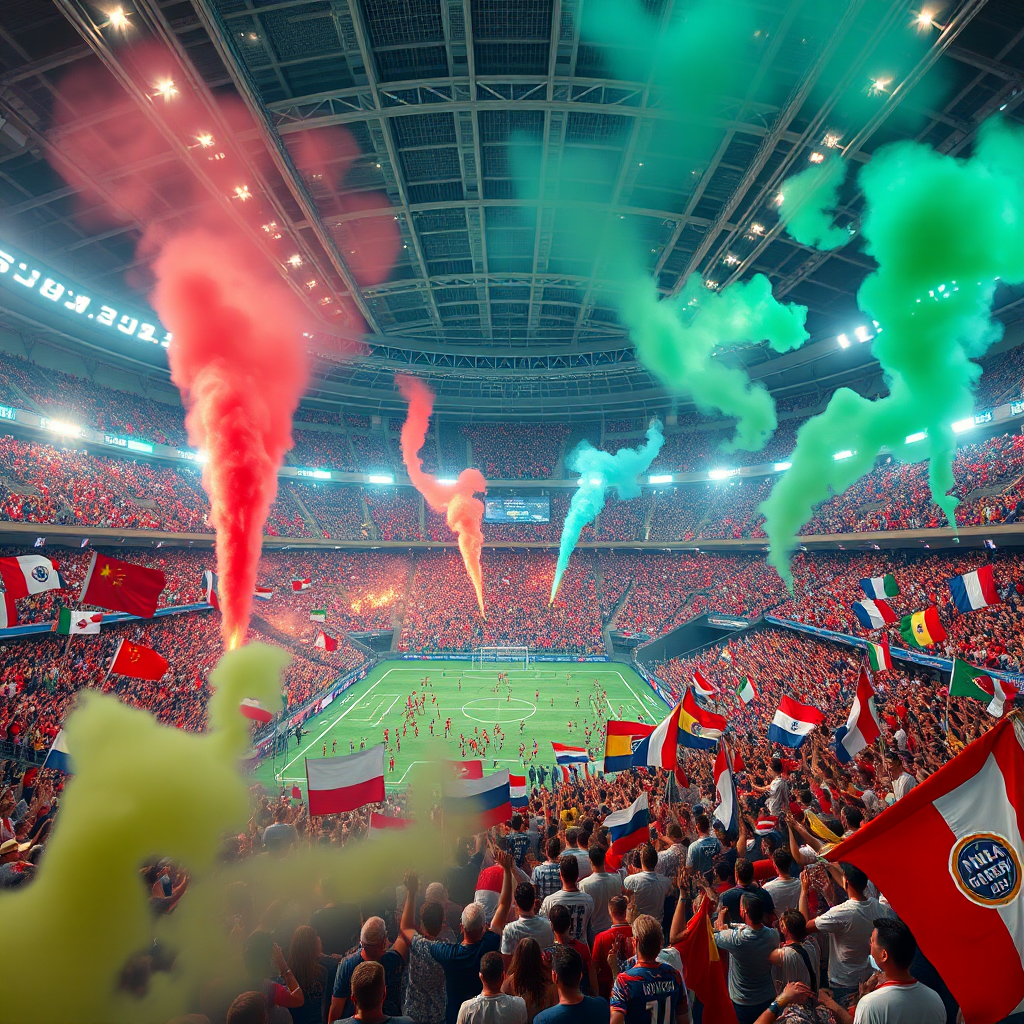
 Hình minh hoạ: tài xỉu
The process: what PSV actually do during this unbeaten stretch
A useful way to review this campaign is to ignore the names on the shirt and look only at the workflow. PSV Eindhoven’s domestic game plan is built around quick recovery after the ball is lost. As soon as the opposing defence attempts to build from the back, the front line initiates a coordinated press. This creates a stream of short-duration turnovers in the opponent’s half. These are not random defensive actions; they are calibrated moments that shift the match into a high-tempo phase.
When a team can win the ball back inside the opponent’s final third, the next pass becomes disproportionately valuable. This explains why many PSV games are decided in a narrow emotional window. The score changes quickly, often after a defensive error that was intentionally provoked. If that early breakthrough arrives, the game shifts into a second mode: mature possession with an emphasis on keeping the opponent away from central areas.
From an experience perspective, the process itself is easy to follow. There is a clear cause-and-effect chain: high press creates a defensive mistake, the mistake produces a fast attack, and the fast attack either generates a shot or forces the opponent to reset. New viewers can grasp that structure within twenty minutes. It is one of the most readable, clean tactical identities seen in the Eredivisie in recent years.
However, the process also has a hidden dependency. It works best when the opponent is willing to try passing out from the back. Some Eredivisie teams do not even attempt that. They bypass the press with long balls, commit extra players to contention, and compress the space behind the defence. In these matches, PSV’s workflow changes from a clear interface to a stubborn puzzle, and the entertainment curve flattens considerably.

Where friction appears inside an unbeaten run
No campaign is free of friction, and this one has several moments that deserve attention from a UX perspective.
Scoreboard-induced passivity
When expected to win every week, the team’s offensive risk tolerance declines. Many observers praise game management, but from a viewer’s point of view, game management often translates into long spells of ball circulation. This is not a failure; it is a necessary protection against counter-attacks and unnecessary injuries. Still, it affects the rhythm. If you watch solely for drama, these passages are the weakest part of the product.
Late-game security
Opponents who concede early do not disappear. They usually allocate more players forward in the final twenty minutes, which opens up transition opportunities for PSV. This creates a predictable two-phase match: controlled possession followed by dangerous counter-attacks. The paradox is that the team’s effectiveness can increase while the viewers’ heartbeat decreases. The match is safe, but safety is rarely what makes a campaign memorable.
Mixed intensity across competitions
An unbeaten domestic record does not survive in a vacuum. European obligations, cup ties, and international breaks all pull players away from the central storyline. Squads that are deep enough to rotate without losing quality can preserve the unbeaten run, but rotation changes the viewing experience. Some lineups look less sharp, some passages feel slower, and the identity of the team can appear diluted. A football season is not a single uninterrupted product release; it is a series of sprints separated by patches of maintenance.
Narrative pressure
Once the press starts talking about an unbeaten campaign, every subsequent match is judged differently. A goalless half feels like a crisis. A shaky clearance becomes a potential headline. The audience no longer sees isolated games; they begin to watch a streak. That shift alters the emotional contract between the team and the viewer. What used to be enjoyable becomes something to protect. For many neutral viewers, this is the exact moment when the experience loses its curiosity-driven pleasure.
Who fits this campaign and who should spend their time elsewhere
Because the search intent behind this review is an overall evaluation, the most honest answer is not “everyone will enjoy it.” The campaign is built for people who appreciate systematic superiority. It is less suited to people who are energized by volatility.
The table below maps the main audience types against the experience they can expect.
| Audience type | What they gain from the experience | Main friction or reason to skip |
|---|---|---|
| Neutral tactical analysts | A clear visual process to study: pressing triggers, counter-pressing patterns, and positional rotations. | Matches that turn into one-sided rehearsals against deep defences can bore analysts looking for layered complexity. |
| PSV supporters | Sustained domestic dominance, confidence in title pursuit, and a clear identity in every fixture. | The risk of complacency after an early goal, especially in matches where the team slows down too soon. |
| Casual football fans looking for drama | Occasional late goals and counter-attacks can keep them interested, and the aura of control carries some appeal. | Long stretches of controlled possession may feel like waiting for something meaningful to happen. |
| European-focused viewers | A useful benchmark for measuring how a domestic powerhouse behaves when they are allowed to dominate. | Global viewers may find the domestic sample less useful because opponents behave differently in European matches. |
| Statistical and betting-literate readers | Useful process information about goal timing, pressed distances, and possession-to-shot sequences. | Data alone will not predict outcomes; market expectations can become distorted by dominant home victories. |
Those who fit best are comfortable with the idea that a product can be technically impressive without being thrilling every day. Those who should skip it are people who use football as an escape from uncertainty rather than as an intellectual puzzle. There is no judgement in either choice. The campaign simply serves distinct needs.

Recommendations by reader group
For PSV fans, the smartest way to follow the rest of the season is to judge the second-half response, not the final scoreline. Watch how quickly the team restores its defensive shape after conceding a rare chance. That response reveals more about the group’s discipline than the points total.
For tactical observers, focus on the transitions that come after an opponent’s failed attempt to press PSV in their own half. The most interesting part of the process is not how the team presses; it is how they escape pressure and accelerate into free space. That is the feature worth studying across consecutive fixtures.
For casual viewers, do not binge the campaign like a series. One match per week, with a full understanding that the team may dominate possession without creating a dramatic scoreline, is the best way to keep the experience fresh. If a match becomes too predictable, switch attention to the positional movements of the back line; there is usually a quiet duel happening that makes the flow more meaningful.
If you are following the campaign while comparing it with match-score patterns, you should be careful not to confuse dominance with goal prediction. The team creates a large number of shots, but shot output alone does not determine the final score. Low-risk control and early substitutions can reduce or increase the number of goals depending on the opponent’s shape. For this reason, people who enjoy the popular over/under format called tài xỉu should always base their decisions on multiple sources of verified information rather than on the reputation of a single club. That kind of attention to discipline protects the viewer’s bankroll and keeps the experience enjoyable. No source, no matter how detailed, can guarantee results; statistical awareness only helps you make more informed choices.
Before entering any football-related game of chance, define the maximum amount of money you are prepared to lose. Treat that amount as an entertainment cost. Do not increase the stake after a loss, and do not keep playing if a match turns out to be less open than expected. A responsible approach to over/under gaming involves statistics from official sports data providers, clear rule awareness, and the personal restraint to stop when the budget has been spent.
For readers who speak or read Vietnamese content about score-based over/under games, the same standard applies. A tài xỉu uy tín platform should not be chosen based on promotional claims alone. Look for transparent rule explanations, clear withdrawal and deposit information, and visible warnings about responsible gaming. If a site makes the game look risk-free, that is a signal to move on. The stronger your personal process is, the more you can enjoy the side entertainment of football without confusing it with a reliable income model.
This PSV campaign ultimately delivers an unusual split experience: it is an administrative masterpiece that throws a long shadow on the emotional appeal of football. For supporters, the recommendation is simple: let the points flow, respect the process, and measure quality by the response to setbacks rather than by the certainty of victory. For everyone else, pick the matches with the most tactical tension, accept the controlled stretches, and preserve the raw joy of football by not forcing every game into a pattern of goals. The campaign rewards patience, not expectation.