

 APPOINTMENT
 DOCTORS
 ABOUT US
 CONTACT US

Tactical Trade-offs: Evaluating Defensive Solidity Against Attacking Flair in Modern Coaching
Before committing your time to match analysis or adjusting how you assess game footage, consider these three foundational observations:
- Systems built around defensive solidity consistently reduce unforced errors and limit high-quality chances against, which makes them highly reliable when facing organized opposition but can struggle to unlock deeply packed blocks.
- Approaches prioritizing attacking flair generate more shooting opportunities through vertical progression and creative overloads, yet they inherently expose defensive transitions, requiring specialized personnel to execute under fatigue.
- The most effective modern coaching rarely adopts a single pole; instead, managers shift emphasis based on fixture congestion, opponent pressing intensity, and available personnel, meaning long-term success depends on tactical adaptability rather than rigid philosophical adherence.
Matching Tactical Lenses to Your Analysis Goals
Evaluating whether a defense-first or attack-oriented framework suits your reviewing process requires careful consideration of what you intend to extract from the footage. If your primary objective is understanding how teams mitigate risk, preserve leads, and manage competitive pressure, focusing on structural cohesion will yield more actionable insights. Conversely, if you are tracking creative breakthroughs, positional rotations, or how squads manipulate space to generate superior scoring positions, orienting your attention toward offensive mechanisms provides richer context. Neither pathway guarantees predictable outcomes, and treating either style as an infallible blueprint introduces unnecessary volatility into your assessment routine.
When reviewing broadcast packages or statistical dashboards, it is prudent to establish clear boundaries around what constitutes valid evidence. Visual confirmation of shape integrity matters more than isolated moments of brilliance, while expected threat indicators should always be cross-referenced with actual shot quality and defensive disruption rates. Platforms that aggregate coaching insights or match data, such as those hosted on e39, often present information that requires independent verification before drawing firm conclusions. Treat aggregated metrics as starting points for observation rather than definitive verdicts, and maintain a disciplined approach when comparing contrasting methodologies across different leagues or managerial tenures.
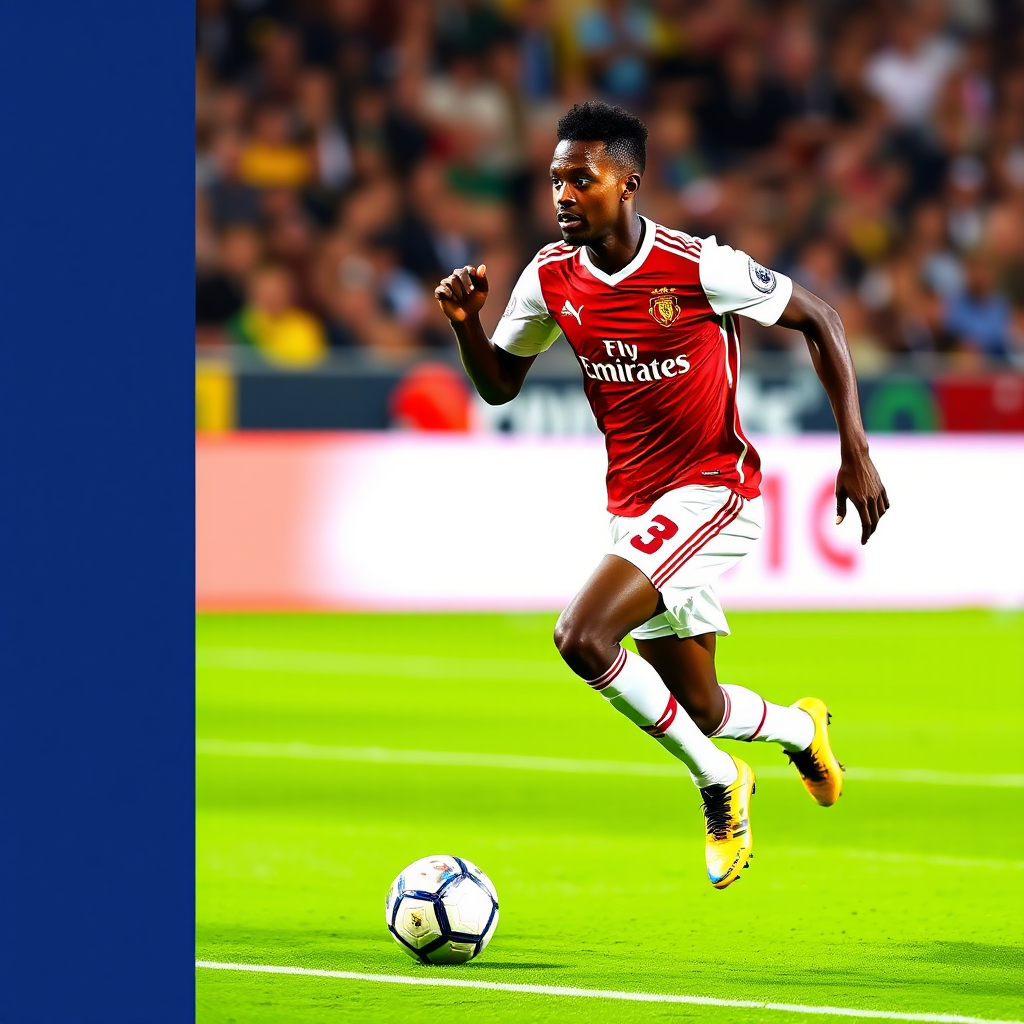
 Hình minh hoạ: e39
Evaluation Criteria for Structural Trade-offs
A systematic comparison demands consistent parameters that strip away subjective bias and focus on measurable operational differences. The first criterion centers on transition management: defensive architectures typically employ staggered retreats, delayed pressing triggers, and disciplined offside coordination to absorb momentum and force opponents into wide channels. Attacking frameworks, by contrast, rely on aggressive forward presses, immediate ball recovery behind the midfield line, and rapid vertical passing sequences to sustain territorial advantage. Both approaches carry inherent vulnerabilities during turnover phases, though the timing and severity differ significantly.
The second criterion examines spatial utilization. Compact defensive units sacrifice width and vertical stretching to maintain numerical superiority in central zones, forcing opponents to circulate the ball patiently until a structural lapse emerges. Offensive-focused schemes deliberately stretch play across the pitch, using inverted movements, overlapping runs, and half-space penetrations to create passing lanes and overload specific defensive markers. Spatial manipulation directly influences fatigue patterns, as wide stretching demands greater covering distances for wingers and fullbacks compared to centrally concentrated defensive shapes.
Risk tolerance forms the third benchmark. Coaches implementing restrained buildup protocols minimize speculative passes, prioritize lateral circulation, and accept prolonged periods of controlled possession without penetrating the final third. Teams emphasizing fluid attacking principles authorize higher-variance decisions, including disguised crosses, progressive dribbles, and late-area arrivals from deep positioning. Acceptable error rates shift accordingly, with conservative systems tolerating fewer misplaced touches before triggering reorganization, while expressive setups grant players margin for trial-and-error within designated zones.
Finally, administrative flexibility determines how easily either model adapts to mid-game adjustments. Structure-heavy plans often feature predefined reaction protocols for scoreline changes or early red cards, reducing cognitive load on the bench during critical windows. Style-driven approaches demand continuous communication, role-swapping awareness, and situational improvisation, placing heavier reliance on player intelligence and session repetition. Evaluating these four pillars ensures comparisons remain grounded in operational reality rather than stylistic preference.

Core Performance Indicators at a Glance
| Evaluation Criterion | Defensive Solidity Model | Attacking Flair Model |
|---|---|---|
| Transition Protection | Staggered retreat, delayed press, structured cover | Aggressive recovery lines, high-intensity chasing |
| Spatial Organization | Central compactness, narrow channel denial | Width stretching, half-space occupation |
| Chance Production | Low volume, high-filter selection | High volume, multi-source generation |
| Error Tolerance | Minimal acceptable loss rates | Moderate allowance for trial execution |
| Adaptation Complexity | Protocol-driven responses | Continuous role negotiation |

Breaking Down the Strategic Divide
Understanding why these two methodologies persist lies in examining how they handle pressure distribution. Defensive solidity thrives on compression. By maintaining shorter distances between defensive lines and shielding central corridors, teams reduce the number of viable passing angles opponents can exploit. This approach demands exceptional positional discipline, as even minor lateral drifts can open dangerous seams. Players operating within this framework prioritize shadow movement, interception anticipation, and body orientation toward the ball rather than reactive chasing. Coaches implementing these systems typically schedule intensive rehearsal of shape maintenance under simulated counterpress conditions, ensuring automatic spatial recognition develops during training cycles.
Attacking flair operates through deliberate disarray. Rather than waiting for structured openings, practitioners manipulate defender balance by creating simultaneous threats across multiple zones. Inverted wingers cut inside to pull fullbacks out of alignment, while advanced midfielders make diagonal runs to exploit vacated half-spaces. The effectiveness of this model hinges on coordinated timing and mutual support networks. When one player draws a marker, another exploits the resulting gap, requiring synchronized movement patterns that cannot be reliably coached through static drills alone. Repetition focuses more on pattern recognition, decision-making speed, and comfort executing techniques under defensive duress.
The psychological dimension further separates these philosophies. Defensively oriented squads often cultivate patient temperament, accepting prolonged periods of controlled circulation without attempting forced penetration. Success metrics revolve around clean-sheet consistency, reduced expected goals against, and efficient foul management during transitional chaos. Offensively driven groups measure progress through progressive pass completion, shot creation density, and successful penetration of defensive lines. High variance defines both trajectories, but defensive models distribute risk across collective responsibility, whereas attacking models concentrate opportunity around specific creative operators.
Managing these contrasts in live environments requires calibrated monitoring. Coaches who enforce rigid boundaries between structural phases frequently encounter friction when opponents disrupt preset patterns. Flexible practitioners adjust spacing dynamically, shifting from compact absorption to expansive progression based on real-time feedback. Both pathways demand rigorous video review sessions, yet the editing priorities differ substantially. Defensive analysis highlights off-ball positioning, screening angles, and trigger recognition, while offensive breakdowns isolate movement synchronization, finishing selection, and pressing coordination. Selecting which analytical lens to prioritize depends entirely on your intended learning outcomes and the specific match scenarios you wish to dissect.

Which Framework Aligns With Your Review Profile?
Different observers extract distinct value depending on their experience level, viewing objectives, and preferred pacing. Assessing which tactical emphasis serves your goals requires matching study habits to documented preferences.
New Users
Beginners entering match analysis benefit most from prioritizing defensive solidity fundamentals. Compact spacing, line synchronization, and basic pressing triggers provide immediately recognizable patterns that reinforce core observational skills. Focusing on how teams maintain shape during build-up phases reduces information overload and establishes a reliable baseline for future comparison. Track how defensive lines coordinate step-ups, how cover shadows operate behind the press, and how minimal-touch circulation preserves positional integrity. Record three key organizational moments per match, noting what prompted structural shifts or maintained stability. Avoid chasing isolated dribbles or speculative through-balls until you can consistently identify underlying spatial relationships. Establishing this foundation prevents premature pattern-matching and builds sustainable analytical habits.
Regular Players
Experienced viewers already familiar with basic formations and positional roles should incorporate attacking flair evaluation into their routine. Analyze how creative operators manipulate defensive balance, read pressuring markers, and execute timed runs into uncovered zones. Document crossing entry angles, half-space penetrations, and secondary movement chains that develop after initial overload creation. Cross-reference these visual observations with progressive metric outputs to verify whether structural dominance translates into meaningful chance generation. Experiment with tracking individual creative responsibility versus shared chance creation, noting how leadership distribution impacts overall offensive sustainability. Apply this lens selectively rather than universally, reserving deeper examination for matches featuring pronounced stylistic contrasts or tactical experimentation phases.
Speed-First Users
Observers prioritizing rapid insight extraction should focus on transition vulnerability and adaptation thresholds. Identify the exact moments when either model fractures under sustained pressure, noting whether collapses stem from poor spacing, delayed recognition, or exhausted recovering runners. Map how quickly coaches signal structural adjustments, which personnel receive deployment modifications, and whether alternative approaches restore equilibrium within five-minute windows. Track substitution timing relative to performance degradation patterns, documenting whether fresh legs immediately impact pressing intensity or primarily serve restorative functions. Compile a concise checklist of red-flag indicators: broken offside traps, isolated wide defenders, hesitant central pivots, and failed second-wave recoveries. Using these markers accelerates pattern recognition without requiring exhaustive minute-by-minute reconstruction, delivering efficient summaries suitable for fast-paced evaluation schedules.
Frequently Asked Questions
Can a single coaching staff realistically maintain both extremes simultaneously?
Full integration remains exceptionally rare outside elite-resource environments. Most organizations adopt hybrid baselines, adjusting emphasis based on opponent profiling, injury availability, and competition stage. Attempting equal weighting across all dimensions typically produces compromised execution rather than genuine synthesis.
How do analysts verify whether results stem from style or personnel quality?
Cross-match performance data against standardized efficiency benchmarks, isolate individual contributions through movement tracking, and compare outcomes when similar tactical templates face mismatched opposition. Contextual filtering prevents attributing systemic success solely to star-level execution or dismissing structural flaws due to temporary roster fluctuations.
Should viewers prioritize match outcome or process validation when evaluating these approaches?
Process validation offers longer-term reliability. Final scores fluctuate due to officiating variances, environmental conditions, and opportunistic finishing, whereas spatial control, transition management, and chance filtration reveal underlying operational competence. Tracking methodological consistency across fixtures yields more stable assessments than result-centric retrospection.
What happens when defensive systems face highly mobile offensive fronts?
Static compactness usually fractures under repeated directional shifts. Effective counters involve staggered marking, dynamic cover rotation, and selective aggressive engagement rather than uniform retreating. Maintaining structural coherence requires continuous communication and predefined fallback sequences that prevent isolated exposure during sudden positional exchanges.
Does tactical preference influence betting or fantasy allocation strategies?
Style identification informs risk calibration more than direct prediction. Systems emphasizing defensive solidity typically produce lower-scoring contests with reduced goal-frequency variance, while attack-prioritized frameworks generate wider score distributions and higher volatility. Aligning allocation models with observed process tendencies minimizes exposure to unpredictable outlier events and reinforces disciplined resource management.
Assessing defensive solidity against attacking flair requires measured evaluation, structured documentation, and honest acknowledgment of each model’s limitations. Whether you are establishing foundational observation habits, refining creative analysis techniques, or optimizing rapid-assessment workflows, aligning your methodology with your stated objectives delivers more consistent insights than chasing superficial trendlines. Maintain disciplined tracking practices, verify assumptions against multiple evidence sources, and proceed with tempered expectations when navigating complex tactical landscapes.